What It Takes to List Your Boat Properly

Selling a boat well starts long before the listing goes live.

A good brokerage campaign is not just a few photos, a price and a short description online. The strongest results usually come from preparation — making sure the boat presents well, the information is accurate, the paperwork is available, and the price reflects the current market.

At Oceania Marine, we believe a well-prepared listing gives buyers confidence and gives sellers the best possible chance of achieving a strong result.

One of the first things your broker will need is a clear and accurate inventory list. This is more important than many owners realise. The inventory will form part of the sale, so it needs to be very clear what is staying with the boat and what is not. This includes everything from tenders, outboards, spare parts and tools through to safety equipment, lifejackets, charts, galley items, bedding, electronics, fishing gear and personal belongings.

If something is not included, say so early. If something is included, make sure it is listed accurately. Clear communication at the beginning helps avoid confusion later.

Presentation also matters enormously.
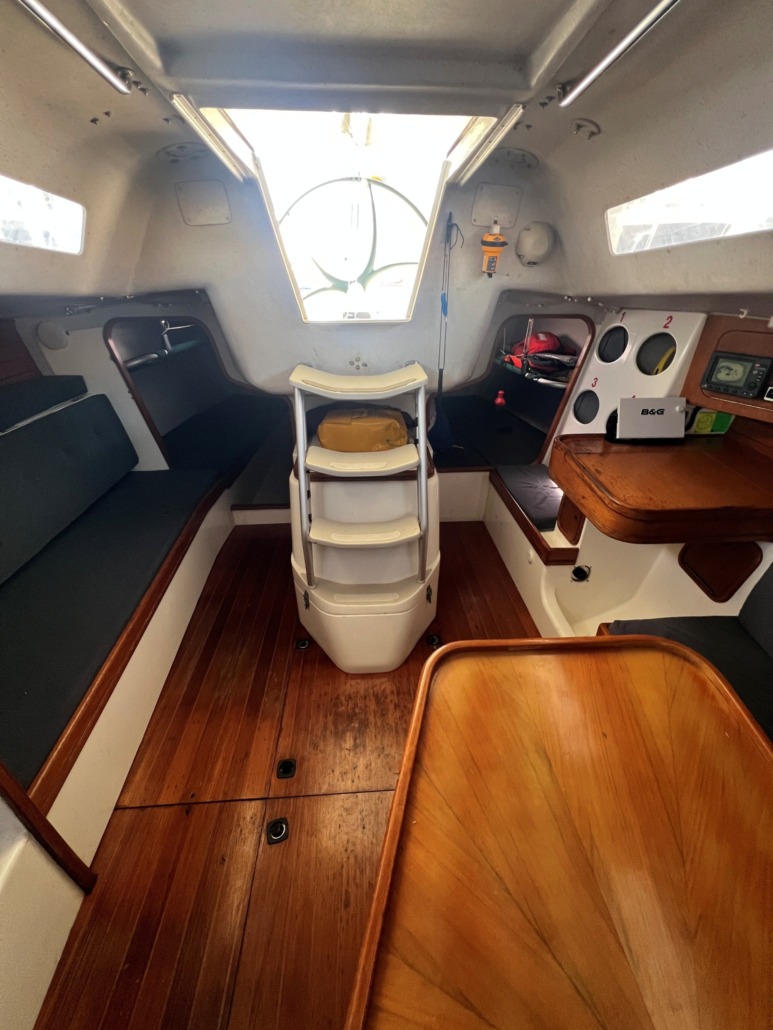
Most buyers begin their search online, and first impressions count. A clean, uncluttered and well-presented boat will always attract more attention than one that looks tired, full of personal items or poorly maintained. Before listing, it is worth considering a proper clean, declutter and polish. In many cases, the value of the boat in the buyer’s mind goes up simply because she looks cared for.

Remove excess personal gear, clear benches and cabins, tidy lockers where practical, wash covers, clean upholstery, polish stainless, detail the cockpit and make sure the boat smells fresh. Buyers are not just buying the specifications — they are imagining themselves owning the boat.
Paperwork is another major part of the process.

Your broker will need to understand the history of the vessel. Recent surveys, previous survey reports, engine servicing records, antifoul history, lift-out invoices, rigging records, insurance reports, equipment upgrades and repair documentation all help build a stronger picture. Buyers want to know not only what has been done, but why it was done and when.

If the boat has previously been surveyed, that report may be very useful. If there are known issues, it is generally better to be upfront and have a plan. Depending on the vessel, some owners may also consider arranging a pre-sale survey. This can help identify items before a buyer does, and in some cases it gives the seller the opportunity to address issues early or price the boat with greater confidence.

When was she last lifted? When was she last antifouled? When were the engines last serviced? When were the batteries replaced? When was the rig last inspected? These are the kinds of questions serious buyers will ask.

Good photos and good information are also essential.

Before listing, it can be useful for owners to look at similar boats online and see what information buyers are being shown. Look at the style of photos, the level of detail, the specifications, the asking prices and the overall presentation. The best listings make it easy for buyers to understand the boat and imagine the lifestyle she offers.

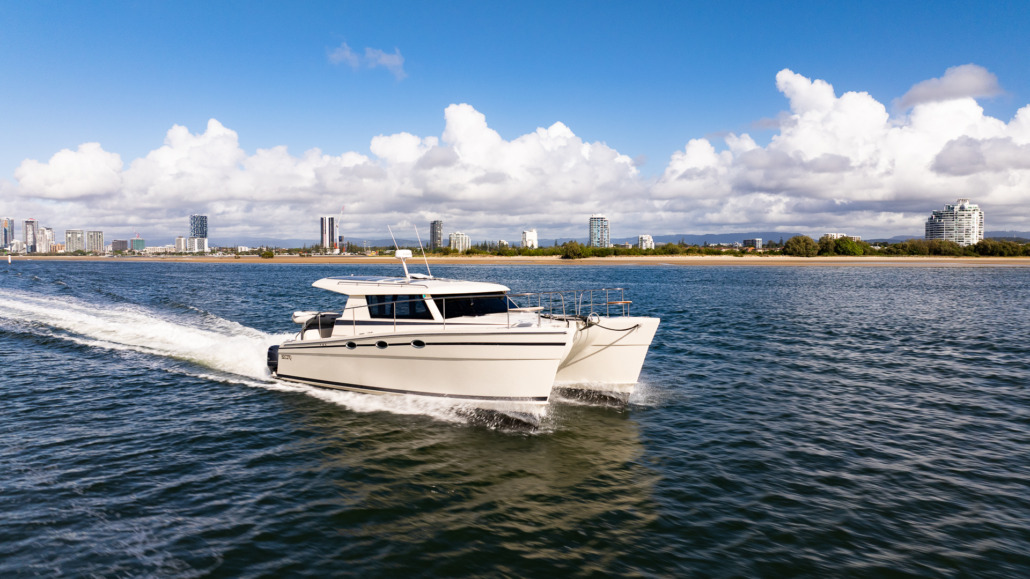
Lifestyle photos can make a real difference. Do you have photos of the boat underway, at anchor, at the sandbar, racing, cruising, fishing, diving or being enjoyed by family and friends? These images help tell the story of the boat in a way that standard dockside photos cannot.

At Oceania Marine, we encourage owners to consider a professional photography package when listing. This may include professional still photography, drone footage, video, styling and dressing the boat for the shoot. The goal is to present the vessel properly from the beginning, not after she has already sat online for weeks without strong enquiry.
Pricing is equally important.

The market is very price sensitive. What you paid for the boat is not necessarily what she is worth today. The current market looks at age, condition, presentation, equipment, maintenance history, comparable listings, buyer demand and how many similar boats are available.

A good starting point is to look at similar boats already advertised online. Are they genuinely comparable? Are they the same age, condition, engine package, location and level of maintenance? Are they actually selling, or have they been sitting there for months?

It is also worth being honest about your timeline. If you want to sell quickly, the most effective strategy may be to list at a realistic “meet the market” price from the start. If you are not in a hurry, there may be room to test the market slightly, but the price still needs to be appropriate. Overpricing can cost time, momentum and genuine buyers.

A good broker will help you balance presentation, timing, market evidence and your expectations.

Listing a boat properly takes effort, but that effort can make a meaningful difference. A clear inventory, strong paperwork, professional presentation, quality photography and realistic pricing all work together to create buyer confidence.

At Oceania Marine, we can also assist with getting your boat sale-ready. Through our yacht services side, we can help coordinate cleaning, polishing, detailing, maintenance, minor works, photography preparation and professional advice before the boat goes to market.

A better prepared boat usually creates a better first impression.

And in brokerage, first impressions matter.

If you are thinking about selling your boat and would like honest advice on presentation, pricing or preparation, contact Helen James at Oceania Marine Brokerage & Yacht Services.
Why Short-Handed Ocean Racing Is Capturing Sailors’ Imagination

Short-handed sailing — whether solo or double-handed — has always attracted a certain type of sailor.

It is for people who want to test themselves properly. Not just around the cans on a Saturday afternoon, but offshore, over distance, where preparation, seamanship, decision-making and self-reliance matter just as much as boat speed.

And right now, short-handed ocean racing is enjoying a very real resurgence.

Across Australia, New Zealand and the wider Pacific region, there is growing interest in races and campaigns that allow capable sailors to take on big challenges with small crews. Part of the appeal is practical: crew numbers are harder to organise, people are busier, and well-prepared modern yachts are increasingly capable of being managed by one or two experienced sailors. But the deeper appeal is something more personal.

Short-handed racing strips sailing back to its essentials.

Every system matters. Every sail change matters. Sleep, food, weather, routing, safety, energy management and trust in the boat all become part of the race. There is nowhere to hide, and very little room for passengers. For many sailors, that is exactly the attraction.
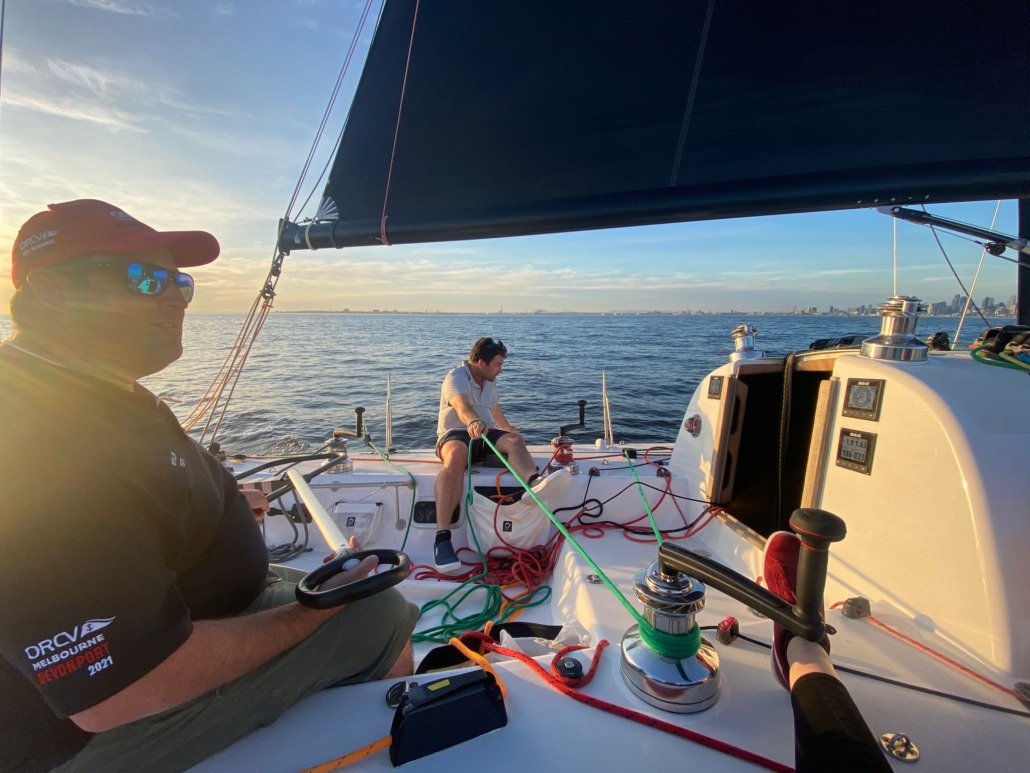
The recent Solo Trans-Tasman Yacht Challenge has brought that spirit right to the Gold Coast, with line honours winner Guy Chester aboard Oceans Tribute sitting down to chat with Helen after the race. These are not just sailors completing another offshore passage; they are part of a growing group actively shaping the future of short-handed ocean racing in this region.

Guy Chester is also Race Director for the proposed Race Around Australia and Chairman of the Short Handed Ocean Racing Association of Australia. Together with a growing community of experienced offshore sailors, he is helping build momentum around a style of racing that rewards skill, preparation and genuine offshore capability.

There is also a bigger vision beginning to form — one that could see existing and emerging races across Australia, New Zealand and the Pacific connected into a more meaningful short-handed offshore circuit. Events such as the Solo Trans-Tasman, the Round North Island Two Handed Race in New Zealand, the Melbourne to Hobart, the proposed Race Around Australia, future trans-Tasman passages and the return of the Melbourne Osaka Cup all point towards something very exciting.

The idea is simple but powerful: create enough serious short-handed racing in the Southern Hemisphere to attract not only Australian and New Zealand sailors, but also international competitors, including the highly experienced European short-handed racing community. For sailors travelling from the other side of the world, a single race is a big commitment. But a season or circuit of quality offshore events across Australia, New Zealand and the Pacific could make the journey far more worthwhile.

That is where the opportunity lies.

The return of the Melbourne Osaka Cup in 2030 adds even more energy to the short-handed scene. A race of that scale is not something sailors prepare for at the last minute. Campaigns take time. Boats need to be found, understood, tested and improved. Systems need to be made reliable. Autopilots, power generation, sail handling, communications, ergonomics and safety all need careful thought.

That is why proven offshore boats matter.

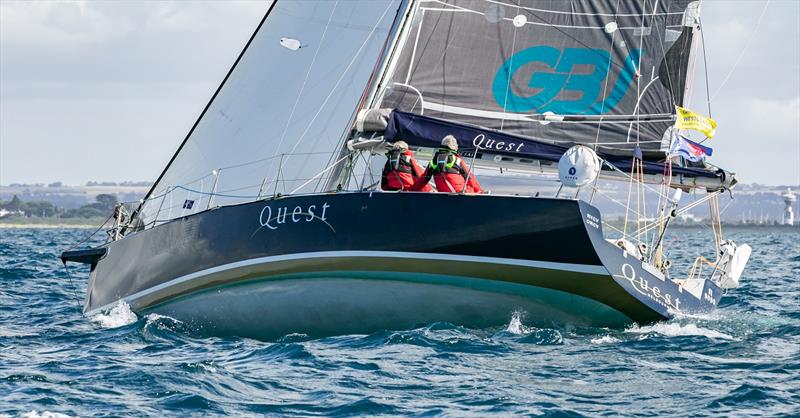
For sailors wanting to step into this world, two very capable short-handed race boats are currently available on the Gold Coast: Ryujin, a Sayer 12m, and Quest, a Nelson/Marek 43.
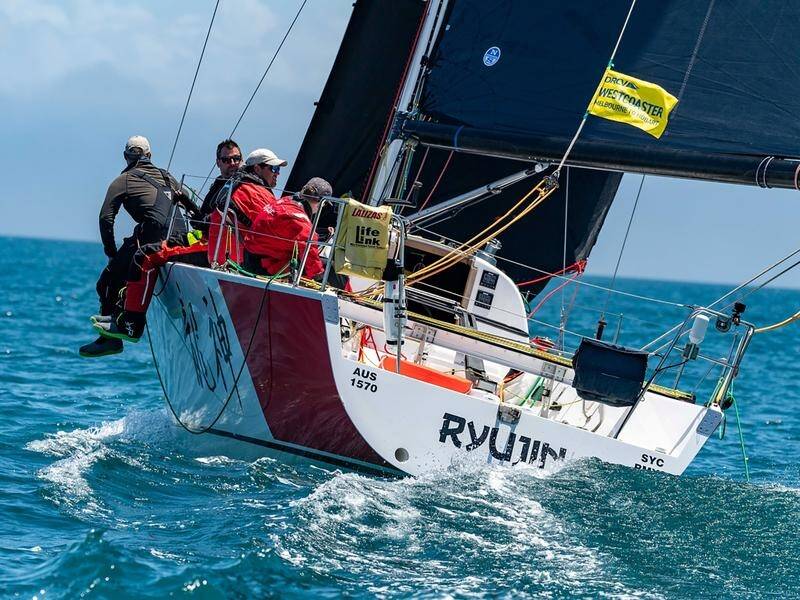
Both boats have genuine offshore pedigree. Both have been campaigned seriously. Both offer the kind of platform that an experienced sailor could build a meaningful short-handed or offshore program around.

Ryujin is light, purposeful and designed with serious offshore performance in mind. She represents the practical, tough and adventurous spirit of Australian short-handed sailing — a boat for sailors who understand that speed, simplicity and reliability all matter offshore.

Quest brings her own impressive history, including recent Melbourne to Osaka campaign experience. As a Nelson/Marek 43, she offers size, capability and proven offshore miles — the kind of background that gives a future owner something real to build from.

 For the right buyer, boats like these are more than listings. They are opportunities.

An opportunity to prepare properly.
An opportunity to step into a growing offshore scene.
An opportunity to be part of the next chapter of solo and double-handed sailing in Australia.

Whether your ambition is the Melbourne Osaka Cup, the Race Around Australia, a Trans-Tasman campaign, the Round North Island, coastal classics, or simply owning a capable yacht with genuine offshore DNA, now is the time to start looking seriously.

Short-handed sailing is popular because it is challenging, honest and deeply rewarding.

And for sailors who are ready for that challenge, the next few years could be very exciting.


Ryujin and Quest are currently available for inspection on the Gold Coast.

For more information, contact Helen James at Oceania Marine Brokerage & Yacht Services on 0480 634 685.

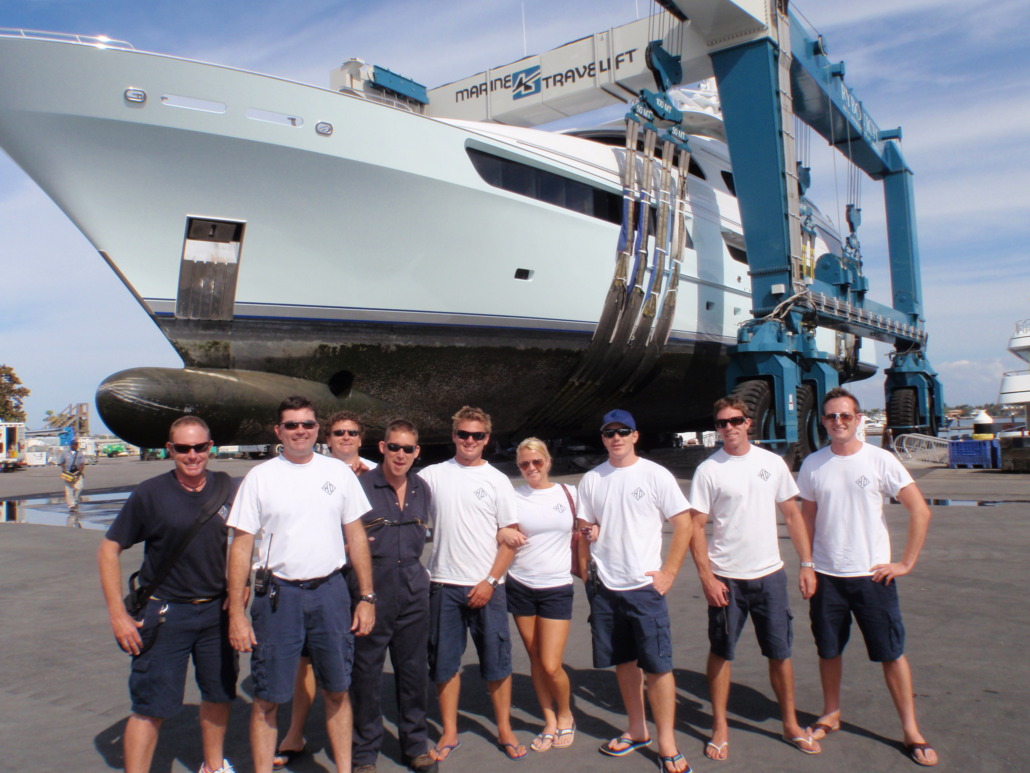
Meet Mark James: Captain, Engineer & Project Manager

Behind Oceania Marine’s vessel services is more than a list of contacts or a phone full of trades. It is decades of real-world marine experience, built across superyachts, commercial vessels, private yachts, offshore passages, refits, new builds and hands-on engineering.

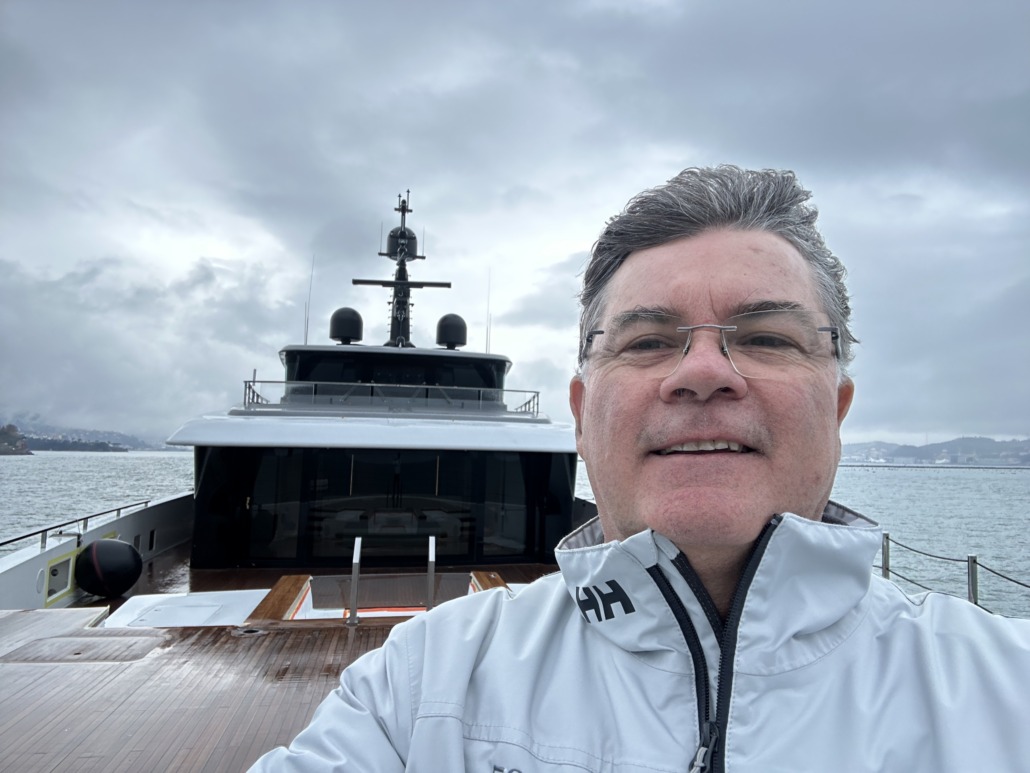
Mark James brings more than 30 years of international experience to Oceania Marine as a captain, marine engineer and project manager. A marine engineer by trade and an MCA Master under 3000gt, Mark has worked throughout Australia, New Zealand, the Pacific, the Mediterranean, the Caribbean, Central and South America, and the east and west coasts of the United States. His career has included trans-Atlantic and trans-Pacific crossings, major shipyard periods, yacht deliveries, commissioning, refits, crew management and owner representation.

For many years, Mark has worked at the point where practical engineering meets vessel operation. That combination is important. A boat does not just need to look good on paper — it needs to work at sea, be maintainable, be safe, and make sense for the way the owner actually intends to use it.

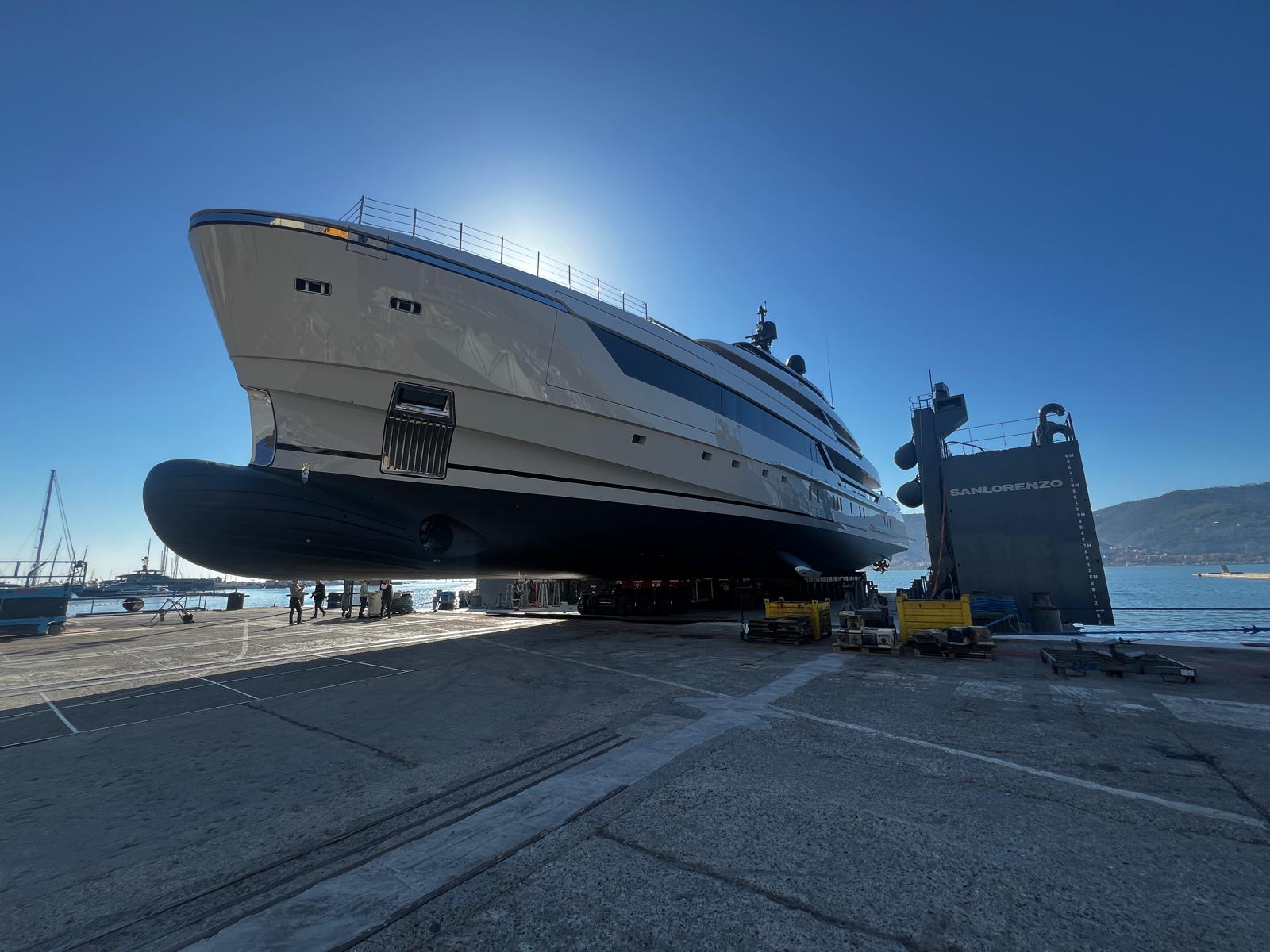
Most recently, Mark completed an extraordinary chapter in his superyacht career as Build Captain for a new 58-metre Sanlorenzo superyacht project in La Spezia, Italy. The role involved commissioning, systems integration, sea trials, technical coordination and final delivery of one of Sanlorenzo’s newest flagship steel builds.

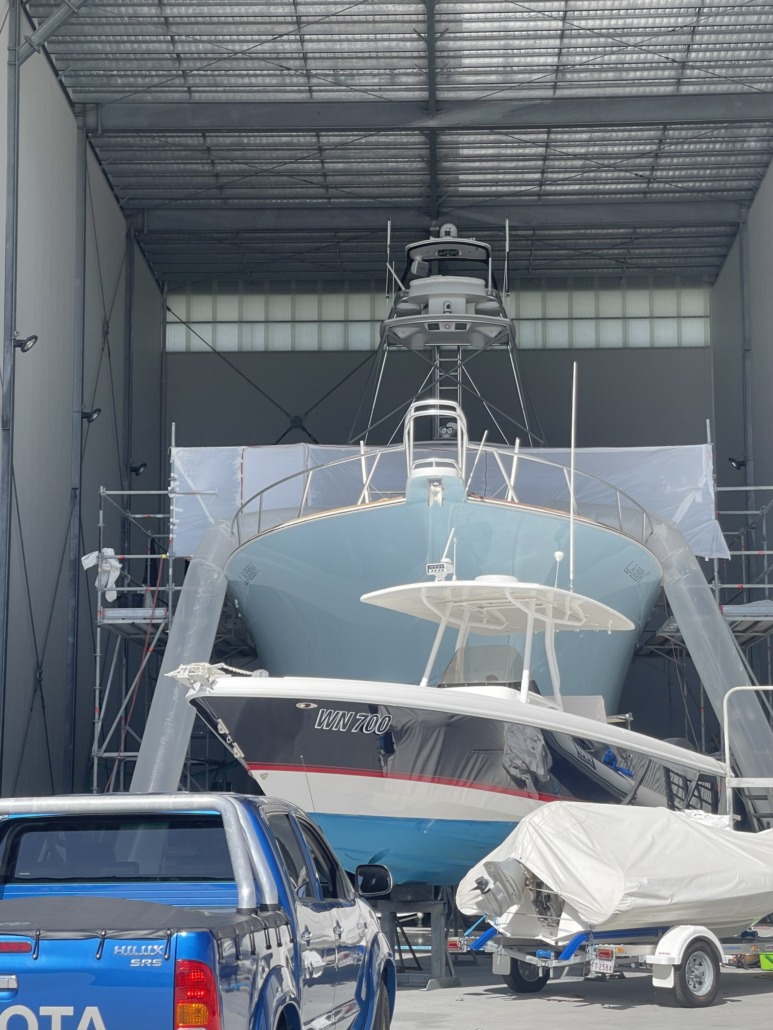
This year also saw Mark lead the extensive refit and rebuild of an 82-foot Viking Sport Fisher, managing major technical works, engineering oversight and delivery operations between Australia and New Zealand. Projects like these require more than theory. They require calm problem-solving, practical knowledge, trusted trades, clear communication and an understanding of how boats are actually used.

That experience now forms a key part of Oceania Marine’s vessel services offering.

From refit project management to engineering advice, captaincy, deliveries, vessel inspections, operational consulting and sourcing specialist equipment, Mark brings a practical and independent eye to every project. Whether an owner is considering a new build layout, a major refit, a systems upgrade, engine room access, operational practicality or simply wants an experienced second opinion, Oceania Marine can help cut through the marketing talk and look at the boat from a real-world owner/operator perspective.

Oceania Marine’s approach is simple: practical experience, trusted industry contacts and genuine marine knowledge — without unnecessary drama.

For owners, captains, yacht managers and buyers, that means having access to advice that is grounded in decades at sea and in shipyards around the world.

Whether you need full project management or help finding one hard-to-source fitting, Oceania Marine Vessel Services is here to help keep boats running, moving and improving.

For vessel services, project management or experienced marine advice, contact Oceania Marine Brokerage & Yacht Services.