What It Takes to List Your Boat Properly
Selling a boat well starts long before the listing goes live.
A good brokerage campaign is not just a few photos, a price and a short description online. The strongest results usually come from preparation — making sure the boat presents well, the information is accurate, the paperwork is available, and the price reflects the current market.
At Oceania Marine, we believe a well-prepared listing gives buyers confidence and gives sellers the best possible chance of achieving a strong result.
One of the first things your broker will need is a clear and accurate inventory list. This is more important than many owners realise. The inventory will form part of the sale, so it needs to be very clear what is staying with the boat and what is not. This includes everything from tenders, outboards, spare parts and tools through to safety equipment, lifejackets, charts, galley items, bedding, electronics, fishing gear and personal belongings.
If something is not included, say so early. If something is included, make sure it is listed accurately. Clear communication at the beginning helps avoid confusion later.
Presentation also matters enormously.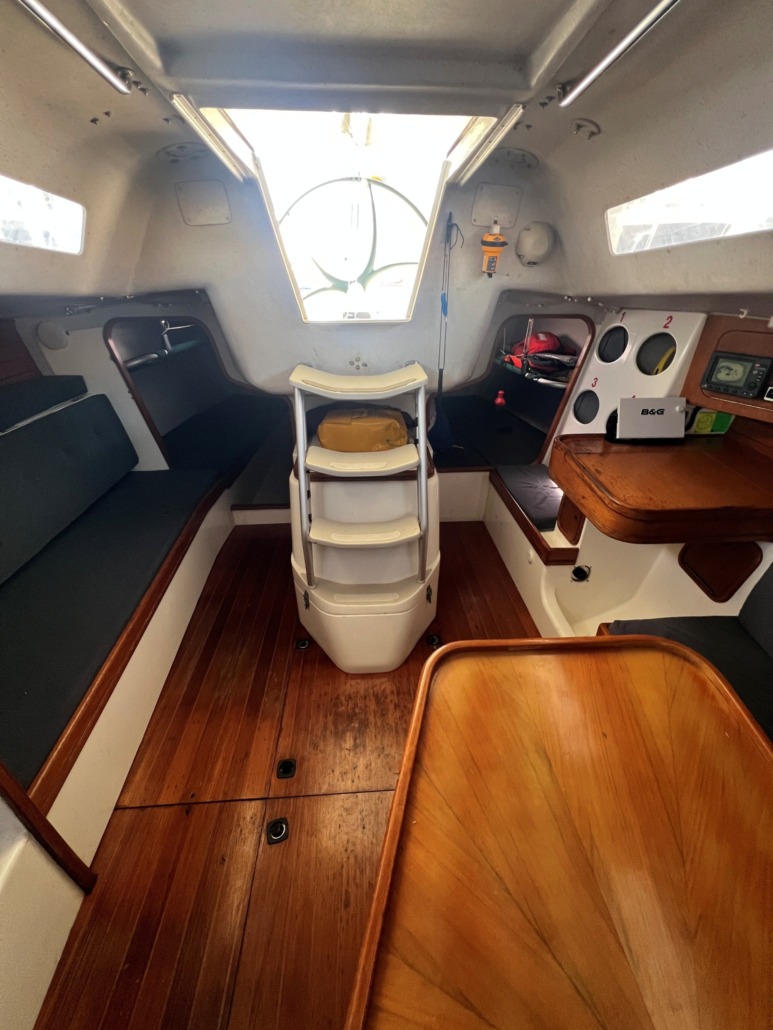
Most buyers begin their search online, and first impressions count. A clean, uncluttered and well-presented boat will always attract more attention than one that looks tired, full of personal items or poorly maintained. Before listing, it is worth considering a proper clean, declutter and polish. In many cases, the value of the boat in the buyer’s mind goes up simply because she looks cared for.
Remove excess personal gear, clear benches and cabins, tidy lockers where practical, wash covers, clean upholstery, polish stainless, detail the cockpit and make sure the boat smells fresh. Buyers are not just buying the specifications — they are imagining themselves owning the boat.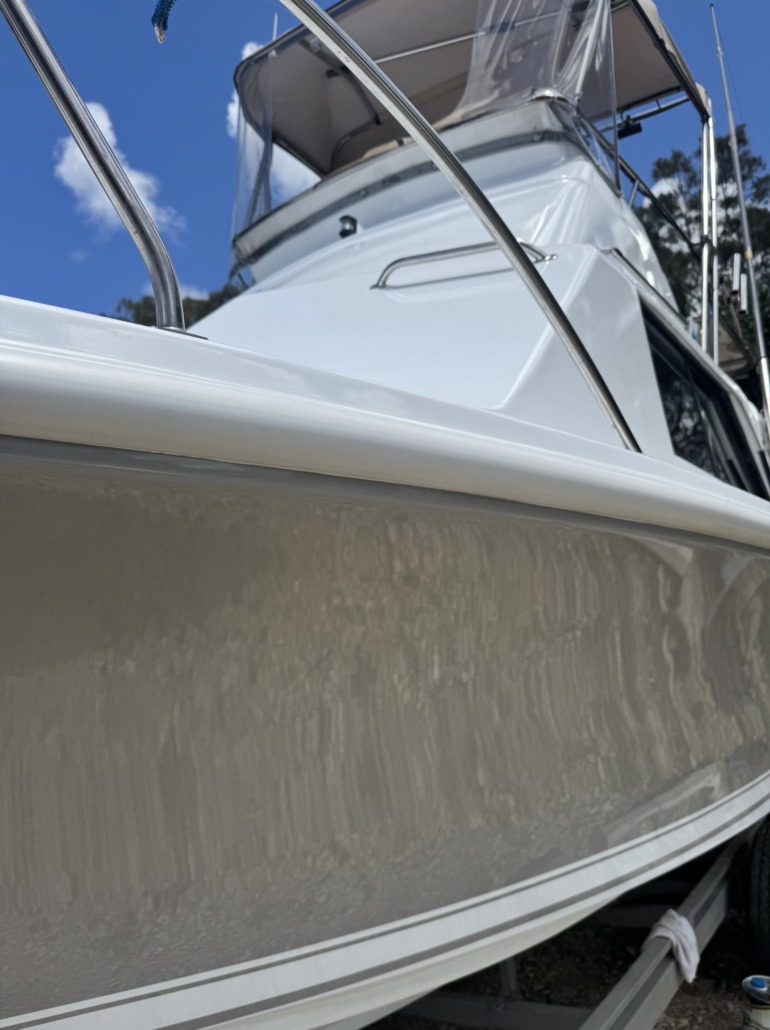
Paperwork is another major part of the process.
Your broker will need to understand the history of the vessel. Recent surveys, previous survey reports, engine servicing records, antifoul history, lift-out invoices, rigging records, insurance reports, equipment upgrades and repair documentation all help build a stronger picture. Buyers want to know not only what has been done, but why it was done and when.
If the boat has previously been surveyed, that report may be very useful. If there are known issues, it is generally better to be upfront and have a plan. Depending on the vessel, some owners may also consider arranging a pre-sale survey. This can help identify items before a buyer does, and in some cases it gives the seller the opportunity to address issues early or price the boat with greater confidence.
When was she last lifted? When was she last antifouled? When were the engines last serviced? When were the batteries replaced? When was the rig last inspected? These are the kinds of questions serious buyers will ask.
Good photos and good information are also essential.
Before listing, it can be useful for owners to look at similar boats online and see what information buyers are being shown. Look at the style of photos, the level of detail, the specifications, the asking prices and the overall presentation. The best listings make it easy for buyers to understand the boat and imagine the lifestyle she offers.
Lifestyle photos can make a real difference. Do you have photos of the boat underway, at anchor, at the sandbar, racing, cruising, fishing, diving or being enjoyed by family and friends? These images help tell the story of the boat in a way that standard dockside photos cannot.
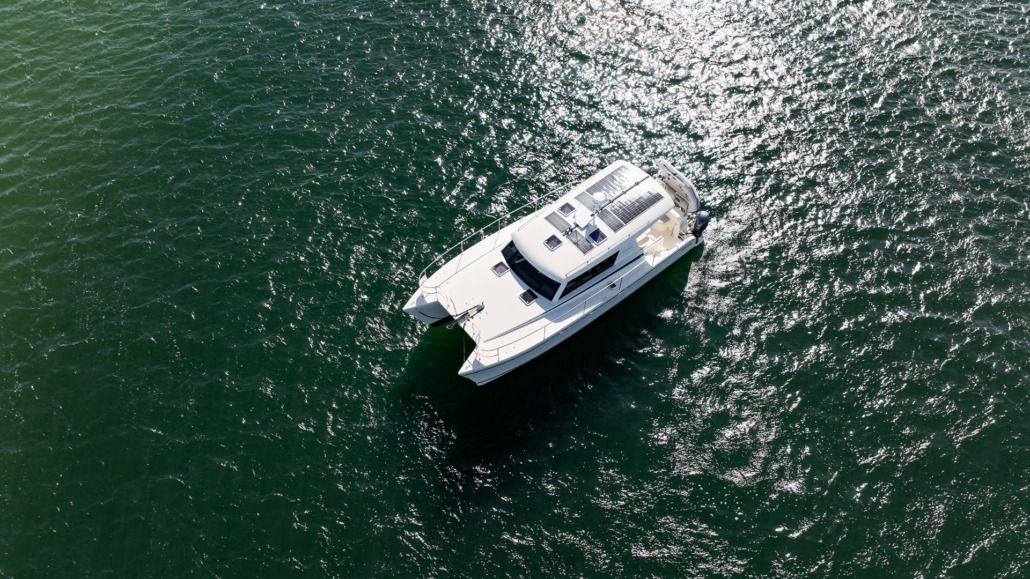
At Oceania Marine, we encourage owners to consider a professional photography package when listing. This may include professional still photography, drone footage, video, styling and dressing the boat for the shoot. The goal is to present the vessel properly from the beginning, not after she has already sat online for weeks without strong enquiry.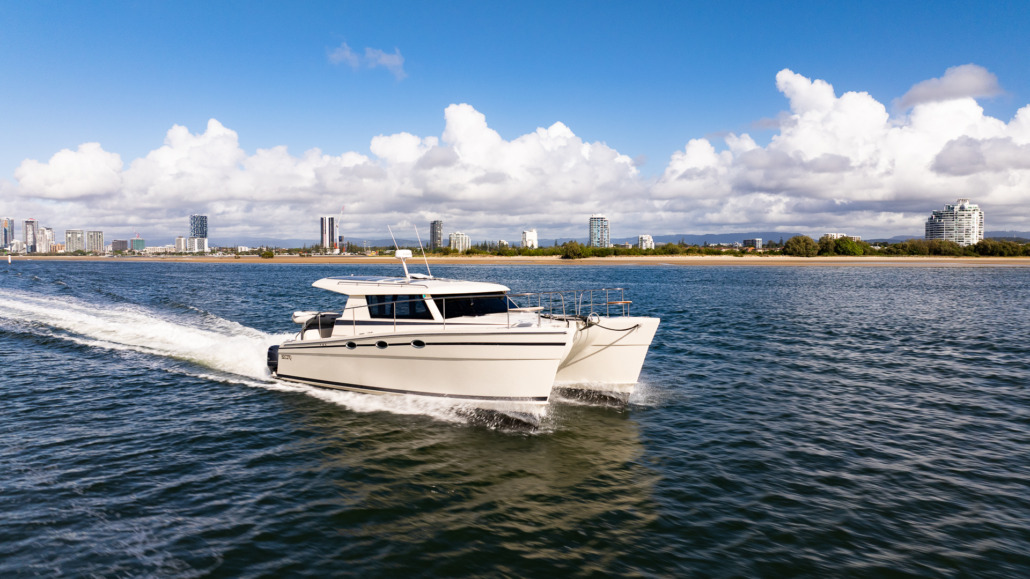
Pricing is equally important.
The market is very price sensitive. What you paid for the boat is not necessarily what she is worth today. The current market looks at age, condition, presentation, equipment, maintenance history, comparable listings, buyer demand and how many similar boats are available.
A good starting point is to look at similar boats already advertised online. Are they genuinely comparable? Are they the same age, condition, engine package, location and level of maintenance? Are they actually selling, or have they been sitting there for months?
It is also worth being honest about your timeline. If you want to sell quickly, the most effective strategy may be to list at a realistic “meet the market” price from the start. If you are not in a hurry, there may be room to test the market slightly, but the price still needs to be appropriate. Overpricing can cost time, momentum and genuine buyers.
A good broker will help you balance presentation, timing, market evidence and your expectations.
Listing a boat properly takes effort, but that effort can make a meaningful difference. A clear inventory, strong paperwork, professional presentation, quality photography and realistic pricing all work together to create buyer confidence.
At Oceania Marine, we can also assist with getting your boat sale-ready. Through our yacht services side, we can help coordinate cleaning, polishing, detailing, maintenance, minor works, photography preparation and professional advice before the boat goes to market.
A better prepared boat usually creates a better first impression.
And in brokerage, first impressions matter.
If you are thinking about selling your boat and would like honest advice on presentation, pricing or preparation, contact Helen James at Oceania Marine Brokerage & Yacht Services.